Older residential properties near Historic Downtown Norman or the University of Oklahoma campus have incredible architectural charm. However, homes built several decades ago carry hidden maintenance vulnerabilities beneath their shingle layers. Over time, standard regional weather shifts cause older building components to settle and shrink. If you own an older home, water could be actively rotting your attic framework right now without showing a visible stain on your lower living area ceiling drywall.
Detecting structural leaks early prevents expensive mold remediation and preserves your property's underlying market value. In Cleveland County, severe seasonal rainstorms easily exploit tiny, invisible pathways that standard inspections miss. To safeguard your investment, you must know what happens as a roofing infrastructure ages and shifts. Here are the top five hidden issues that trigger active water leaks in older local structures.
1. Aging Roof Materials
Every roofing material has a strict operational lifespan before its core chemical composition breaks down. While modern architectural shingles can withstand heavy winds, older organic felt matting or 3-tab asphalt shingle fields from previous generations degrade severely under persistent sunlight. Decades of intense Oklahoma summer heat bake the petrochemical oils completely out of the asphalt fabric, leaving the shingles brittle, hard, and defenseless.
When older shingle fields reach the absolute end of their functional cycle, they exhibit distinct physical failures:
- Extensive surface granule loss: Protective mineral granules wash down into your gutters, leaving the raw black asphalt substrate completely bare and exposed to structural UV rot.
- Severe clawing and curling edges: Shingle tabs dry up and curl upward along the perimeter, allowing driving winds to peel them completely off the underlying plywood deck.
- Brittle thermal fracture cracks: Shingle surfaces split open vertically or horizontally during freeze-thaw cycles, creating direct pathways for moisture tracking into your attic insulation.
2. Improperly Sealed Flashing Installation
Roof flashing is the thin metal armor designed to divert water away from critical high-volume joints, valleys, and walls. In historical homes, construction crews often utilized galvanized steel or thin aluminum trim sealed with oil-based caulking compounds. Over decades, a house naturally shifts and settles on its foundation, putting immense physical stress on these rigid metal transitions and cracking the old, dried-out rubber sealants.
Failed flashing junctions are the most common source of obscure, hard-to-find active ceiling leaks:
- Rusted chimney counter-flashing: Old iron or steel flashing embedded into brick mortar joints rusts completely through, letting water bypass your lower roofline walls.
- Separated valley lining seams: Heavy runoff channels pull apart at the seams over time, directing thousands of gallons of water underneath your shingles instead of down to your gutters.
- Split plumbing pipe boots: The rubber gaskets surrounding old cast-iron sewer ventilation stacks crack from thermal expansion, letting water trickle straight down your interior wall studs.
3. Clogged Gutters and Downspouts
Gutters must channel heavy storm runoff safely away from your foundation and roofline. On older properties with mature oak or pecan trees, leaves and twigs quickly choke the metal channels. When a heavy Oklahoma downpour strikes, water cannot flow into the downspouts. Instead, the water pools in the gutter troughs and rises upward. It spills over the back edge of the gutter assembly and runs directly into your home's wooden structural framework.
This water backup completely rots your home's lower roof edge components from the inside out:
- Rotted structural fascia boards: Overflowing water directly saturates the decorative wooden trim panels, causing the wood to soften, decay, and detach from the rafters.
- Bypassed eave underlayment paper: Trapped water forces its way underneath your bottom row of shingles, soaking the raw wood deck and running down your interior walls.
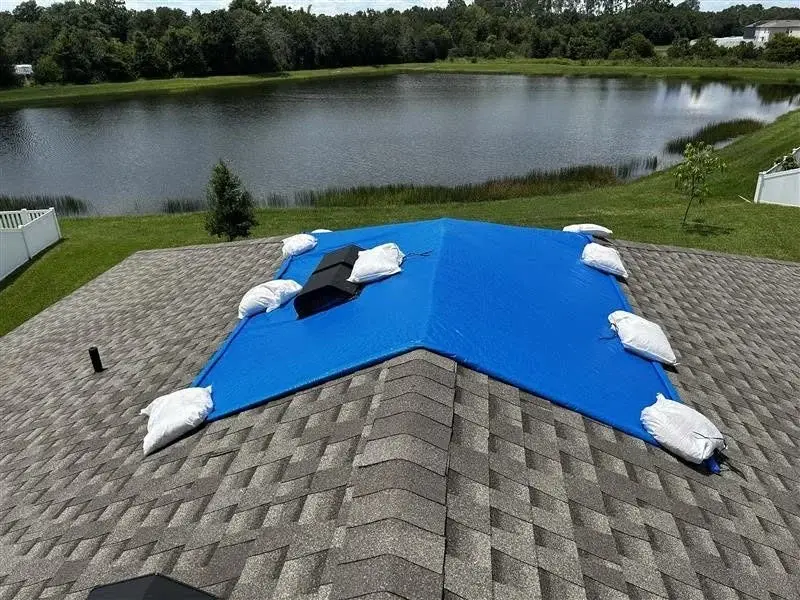
- Immediate structural emergency leaks: If severe gutter blockages flood your roofline during a midnight storm, calling an active roof leak tarping service is the only way to shield the exposed wood from further rain until the gutters are cleared.
4. Missing or Damaged Shingle Fields
High Oklahoma plains winds routinely lift and tear old, unsealed roofing materials. As shingles age, they lose their physical flexibility and structural strength. A minor wind gust that a new roof would easily block can unzip an entire field of old, brittle shingles. Once a shingle breaks off or blows away into your yard, the black tar underlayment paper becomes the only layer protecting your attic. This paper degrades rapidly when exposed to direct sun and rain.
Missing shingles create direct open paths for moisture to rot your home's wood deck:
- Exposed roofing nails: When top shingles blow away, the rusted nail heads on the lower rows are left bare, allowing water to track down the metal shafts and drip into your insulation.
- Torn asphalt underlayment paper: High winds easily rip away brittle tar paper, leaving the raw plywood or tongue-and-groove wood decking completely open to storm saturation.
- Accelerated wood deck rot: Rainwater hits the bare wood decking directly, causing the wood to swell, delaminate, and lose its structural weight capacity within a few days.
5. Hidden Attic Ventilation Failures
Proper attic ventilation requires an even balance of cold intake air entering from your soffits and hot air escaping through your roof ridge. Many historical homes have blocked intake vents or lack modern ridge venting systems entirely. During intense local summers, attic temperatures can rise above 150 degrees Fahrenheit. This extreme trapped heat literally bakes your shingles from underneath, destroying their structural lifespan twice as fast.
Poor airflow traps immense structural heat and moisture inside your roof frame:
- Condensed attic structural moisture: In the winter, warm air from your living spaces rises and hits the cold underside of your roof deck, turning into liquid water droplets that rot your rafters.
- Rusted framing fasteners: Trapped humidity rusts your structural roofing nails and metal truss plates, causing the nails to back out and pop up through your shingles.
- Softened plywood roof decking: Constant interior moisture causes your underlying plywood panels to warp, sag, and cave in when stepped on by a maintenance worker.
Common Mistakes to Avoid
Managing an older property requires constant vigilance, especially when dealing with the unpredictable weather patterns of Cleveland County. Many homeowners overlook minor warning signs, assuming a small water spot or a few missing shingle granules are normal signs of aging. However, delaying maintenance on an older roofing structure can quickly lead to extensive structural wood rot, ruined interior finishes, and the denial of your insurance claims due to homeowner neglect.
To protect your property's market value and keep your restoration costs down, make sure you avoid these frequent historical home maintenance pitfalls:
- Ignoring slow or intermittent ceiling leaks: Water often takes a long time to saturate your attic insulation before it finally drips through your drywall ceiling. If you ignore a small brown ring on your plaster or drywall, the hidden moisture will rot your rafters and breed toxic black mold behind your walls.
- Skipping annual ground and attic inspections: Waiting for a major storm to hit before checking your roof is a massive gamble. You should inspect your attic with a flashlight after heavy rains and scan your shingle lines with binoculars every spring to catch popped nails and cracked flashing before they turn into active floods.
- Patching old shingle fields with cheap roofing cement: Smearing thick layers of plastic roofing tar over brittle shingles is a highly temporary fix that often fails within a few weeks. This trapped tar prevents the shingles from breathing, locks moisture underneath the fabric, and accelerates underlying deck decay.
- Allowing climbing vines or low branches to touch the roof: Mature landscaping can ruin old roofing systems. Tree limbs rubbing against brittle shingles will scrape away the protective mineral granules, and climbing vines can snake underneath your flashing seams and pry the metal transitions right off your walls.
When to Call a Professional
If you notice signs of an active roof leak, such as water stains on your ceiling or walls, it's crucial to act quickly. Contacting professionals like Roof Tarping Pros Norman can help mitigate damage and address the root cause of the leak effectively. Our team specializes in emergency roof leak tarping in Norman, ensuring your home is protected from further water damage.
Get Help with Roof Tarping in Norman
If you're dealing with active roof leaks or want to prevent future issues, contact us for expert assistance. Our team at Roof Tarping Pros Norman is here to help protect your home. Call us at (405) 279-0658.